tree health
Tree Care
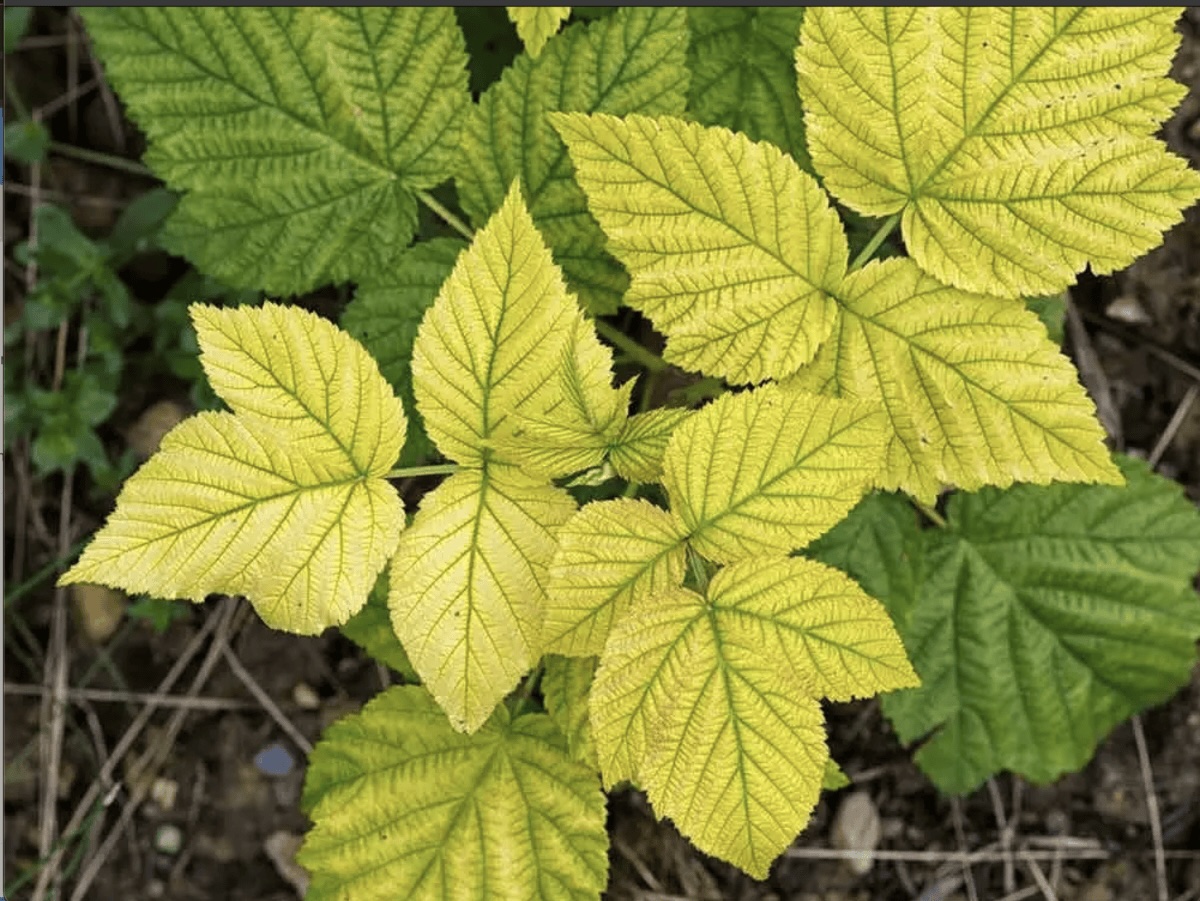

If the leaves on your trees are turning yellow, and it’s not part of their fall foliage display, it may be time to consider that there’s something bigger going on. Most tree issues, when diagnosed early, can be mitigated, saving the tree itself (and yourself from tree removal).
But how do you know what’s wrong with the tree? Learning to identify tree diseases, pests, and other conditions can save you time and resources, while also saving the tree. One of the most common issues we see is iron chlorosis.
Quick Links:
Although it’s often grouped in with tree diseases, iron chlorosis isn’t a disease in the traditional sense. There’s no fungus, pest, or pathogen involved. Instead, it’s a nutrient availability problem. In other words, the tree may be growing in soil that contains iron, but that iron isn’t readily available for the tree to use.
Chlorophyll production, which keeps leaves green and enables photosynthesis, requires iron. When iron isn’t accessible, chlorophyll production slows, leaves turn yellow, and the tree’s ability to produce energy declines. Over time, this weakens the tree and makes it more vulnerable to other stressors.
 Iron Chlorosis Symptoms: How to Recognize It
Given the potential severity, in terms of a tree ultimately being unable to produce the energy it needs to grow and stay healthy, learning to identify iron chlorosis is essential.
Beyond the yellow leaves, what should you be looking for? One of the challenges with iron chlorosis is that it’s often subtle at first. Catching the symptoms early, though, can make a big difference in how easily you can correct the problem and how much long-term stress the tree experiences.
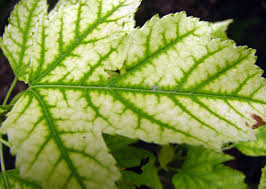
To start, the most recognizable sign of iron chlorosis is what’s called interveinal chlorosis. As discussed, the leaves turn yellow or pale, but the veins remain distinctly green. This contrast can range from mild to dramatic, depending on the severity of the condition.
Other common symptoms include:
These symptoms often progress gradually, which is why iron chlorosis is sometimes overlooked until the tree is already under significant stress.
 Trees Commonly Affected by Iron Chlorosis
While some diseases and pests impact only particular species, iron chlorosis can affect many different species. However, some trees are particularly sensitive and tend to show symptoms more readily. Those trees include:
If you’re seeing yellowing leaves with green veins on these trees, it’s a good bet that iron chlorosis is at play.
While you’re first going to notice iron chlorosis in the leaves, the root of the problem (pardon the pun) is almost always in the soil. In most cases, trees aren’t struggling because iron is completely absent; instead, they’re struggling because soil conditions prevent roots from accessing and absorbing it.
Much like nutrition in humans, soil chemistry is integral to growing healthy trees. When it comes to iron chlorosis, particularly in managed landscapes and urban environments, soil chemistry is often the biggest issue.
While soil chemistry is often the culprit, other factors can contribute to iron chlorosis, sometimes years after planting.
Altogether, these factors explain why it’s essential to improve soil and root-zone conditions. At the same time, if visible symptoms persist, it’s time to explore ways to treat the problem.
 Treating Iron Chlorosis in Trees
In some cases, short-term treatments may alleviate the problem, but understanding when that’s effective vs when to employ long-term correction is essential. While you may be able to “green a tree up” quickly, lasting improvement may require addressing the soil and root conditions that caused the problem in the first place.
Short-term treatments focus on restoring leaf color and supporting the tree during periods of stress. Again, these are not permanent fixes, but in some cases, they may be enough.
Short-term treatments are appropriate when trees are visibly stressed, during high-visibility seasons, or to buy time while longer-term soil corrections are planned. However, relying on repeated quick fixes without improving soil conditions often leads to recurring chlorosis year after year.
Long-term success often depends on improving the soil environment so iron becomes consistently available to the tree.
While yellowing leaves should trigger concern, it’s important not to be reactionary and to properly investigate what’s going on before responding. In fact, some common responses to iron chlorosis can actually make the problem worse:
In most cases, the most effective approach combines targeted short-term treatments with thoughtful long-term soil care, ensuring trees not only look better but also grow healthier over time.
 How to Mitigate Iron Chlorosis
It's important to note that in some regions, prevention is not possible. One factor that impacts this is the water has a high pH, so any efforts to water, throughout the season may create issues. In this case, the best prevention is planting tree species tolerant of that high pH.
In areas where iron chlorosis mitigation is possible, taking these measures is far easier and more effective than trying to correct it after symptoms appear. In most cases, prevention comes down to thoughtful planning and long-term soil care.
Iron chlorosis falls within a broader category of soil-borne tree issues, where poor soil health leads to visible decline above ground. Maintaining healthy, well-structured soil is one of the most effective ways to prevent not only iron chlorosis, but many other soil-related tree diseases.
 Why Iron Chlorosis Matters in Urban and Community Forests
In urban and community landscapes, iron chlorosis is more than a cosmetic issue. When trees can’t access the nutrients they need, their growth slows, canopies thin, and overall resilience declines. Over time, this chronic stress reduces a tree’s ability to tolerate drought, pests, construction impacts, and other environmental pressures every day in cities and managed spaces.
For municipalities, HOAs, and property managers, untreated iron chlorosis can lead to uneven canopy development, reduced shade and cooling benefits, and higher long-term maintenance or replacement costs. For homeowners, it often means trees that never quite thrive despite regular watering and care.
If you’re concerned about tree health or noticing recurring yellowing, the best next step is to talk with experienced tree professionals. Working with knowledgeable arborists and a trusted, reputable nursery can help you identify issues early and choose the right solutions for your site.
SuperTrees has been in business for over 20 years, growing healthy trees from the start and supporting strong survivability rates through proper selection, planting, and ongoing care. When trees are matched to the right conditions and supported along the way, they’re far more likely to thrive for decades to come.
Whether you’re looking for help with planning, planting, or maintaining your existing urban forest or managed landscape, reach out to our team today.
In Utah? Check out our retail nursery in Riverton, where our team can help you make the right selection for your home and your needs!