tree health
Tree Care
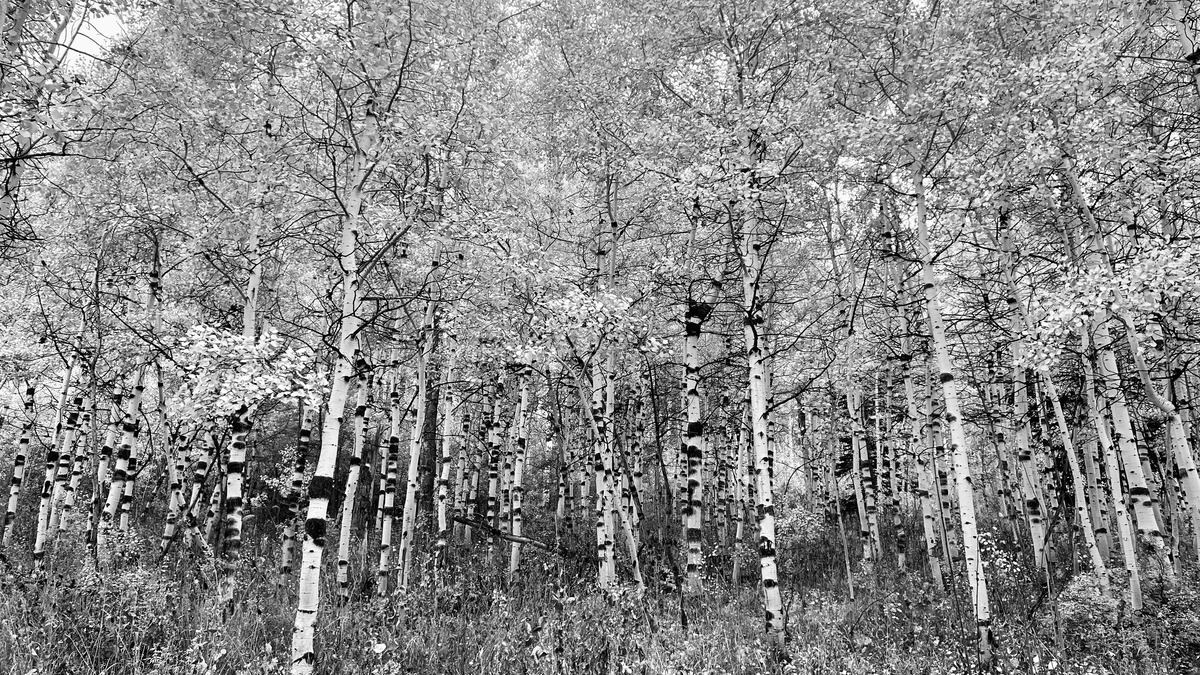

When it comes to the landscape, trees are expected to do their best work in spring and fall, dazzling us with flowers and blazing colors. And then comes winter. The leaves fall and the days grow shorter, and winter again transforms our landscapes.
In regions like the Pacific Northwest, Colorado, and Utah, bare branches and muted colors can make yards, parks, and streets feel quiet or even barren. But with the right winter trees, even the dormant season can be full of structure, color, and life.
Winter need not be dull, or bland. Thinking seasonally and planting with winter interest in mind can help create landscapes that are beautiful, dynamic, and welcoming all year long.
Quick Links:
Those of us who live in regions that get all four seasons are no strangers to what happens when fall arrives. First, we get stunned by the incomparable beauty of the fall landscape and the striking colors of fall foliage.
However, when temperatures really start to drop and deciduous trees shed their leaves, the landscape can feel somewhat stark and colorless. The good news? Winter doesn’t have to mean dull. With thoughtful planning and strategic tree planting, you can create visual interest, structure, and texture that last through every season.
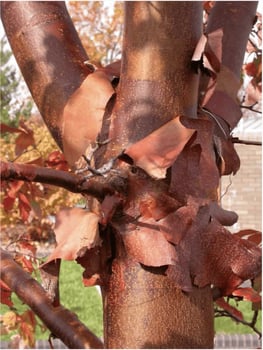
Winter trees, especially those with striking bark, evergreen foliage, or sculptural branching, can play a crucial role in maintaining a beautiful, balanced landscape year-round. From the deep greens of evergreen trees to the coppery bark of birches and the stunning silhouettes of oaks and maples, trees chosen with winter appeal in mind bring life and contrast to snowy or muted surroundings.
Before you think this is just about beauty, think again. Winter trees are also essential for local wildlife. Evergreens provide shelter for birds and wildlife during the dormant months, while hardy deciduous trees contribute structure and shade when warmer weather returns. If homeowners, HOAs, and city planners can design with all seasons in mind, it can help ensure landscapes remain vibrant, even when much of nature is dormant, and the landscape typically appears less vibrant.
 What Makes a Great Winter Tree?
While 3-season stunners are amazing, great winter trees bring structure, color, and texture to the landscape even in the dormant season.
While deciduous trees may lose their leaves, that doesn’t mean they can’t also be beautiful in the winter. The best winter selections offer visual interest through distinctive bark, branch form, or persistent berries and cones. Whether you’re planning a new tree planting project or refreshing your winter landscape design, look for trees with features that shine when everything else fades.
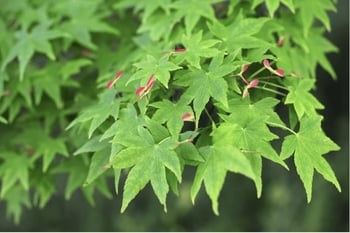
In short, winter tree selection is about choosing trees that not only add visual interest but also provide texture, depth, and, in some cases, attract wildlife, reminding us that the environment is still alive, even in its dormant state. Now, let’s get into the specifics!
Evergreens are among the most popular winter trees. When most trees are bare, evergreen trees provide the structure and color that keep landscapes alive and visually balanced through winter.
Their year-round foliage anchors planting designs, softens hardscapes, and provides shelter for wildlife. In regions such as the Pacific Northwest, Colorado, and Utah, evergreens are crucial for maintaining beauty and functionality throughout the dormant season.
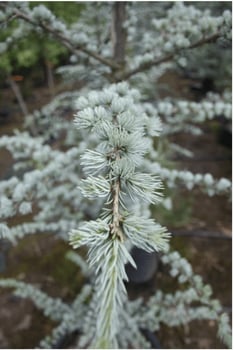
Even without their leaves, deciduous trees can still play a vital role in the winter landscape. Among them, the best winter trees provide visual interest through their form, bark, and fruit, transforming an otherwise quiet landscape into one filled with subtle color and texture.
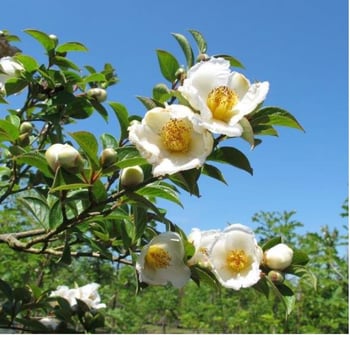
Including a few well-chosen deciduous trees in your winter planting plan ensures your landscape maintains form and personality even after the leaves have fallen.
Winter doesn’t have to mean a quiet landscape. Certain trees shine when temperatures drop, producing bright berries or seed clusters that add color and texture while providing food for birds and wildlife. These winter trees bring life and movement to gardens, parks, and city streets throughout the dormant season, making them essential for four-season landscapes.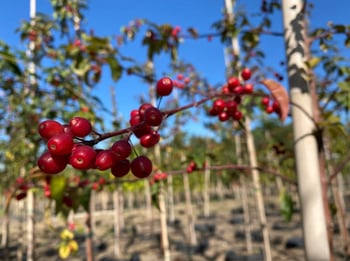
Not all needle-bearing trees stay green through winter. Deciduous conifers are a unique group that look like traditional evergreens but shed their needles each fall. Their bare branches sometimes cause concern (and unnecessary tree removal), they’re not dead, just dormant. They'll be back and ready to flush out again in spring.
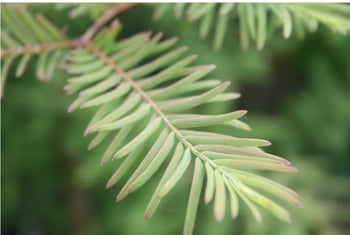
These conifers prove that winter interest goes far beyond evergreens, even if they look like them. Sometimes, the most surprising beauty comes from trees that change with the seasons, especially when a leaf drop reveals a stunning structure or interesting bark.
Winter is challenging, especially when it comes to creating a landscape that looks vibrant year-round. It requires thoughtful planning and strategic tree planting. A healthy mix of winter trees, including both evergreen trees and deciduous species, plays a key role in maintaining interest and structure during the dormant season.
When planning your four-season landscape, canopy diversity is essential. Consider combining trees with complementary characteristics:
Layering trees of different sizes, textures, and seasonal highlights ensures the landscape retains depth and visual interest throughout the year. Thoughtful placement of winter trees can create natural focal points, guide sightlines, and complement shrubs, perennials, and hardscape features.
A tree inventory can help you better strategize and understand how to layer these trees throughout your urban forest or community canopy. Then, you can successfully apply these principles to your tree planting and dormant season planting strategies, and design landscapes that remain functional, beautiful, and ecologically supportive in every season.
Winter trees aren’t just for private gardens; they play a critical role in urban and community landscapes as well. In cities, parks, and HOA-managed spaces, carefully selected trees enhance visual appeal, provide year-round structure, and support wildlife even during the dormant season. Evergreen trees offer privacy, color, and shelter, while deciduous trees with striking bark, branch structure, or winter fruit maintain interest when most foliage is gone.
Incorporating a variety of winter trees also promotes canopy diversity, enhancing resilience against pests, diseases, and storm damage, while creating a healthier and more vibrant urban forest. Thoughtful planting and proper maintenance, including fall tree care and winter preparation, help ensure trees remain strong, safe, and beautiful through the colder months and into spring.
Partnering with a knowledgeable nursery can make all the difference.
At SuperTrees, our certified arborists can advise on the best trees to improve winter landscape appeal, enhance canopy diversity, and maintain long-term tree health. From selecting the right species to providing expert guidance on dormant season planting and ongoing tree care, we help communities, HOAs, and city planners ensure their trees thrive in every season.
Connect with us today to start planning a landscape that’s beautiful year-round.