tree health
Tree Care

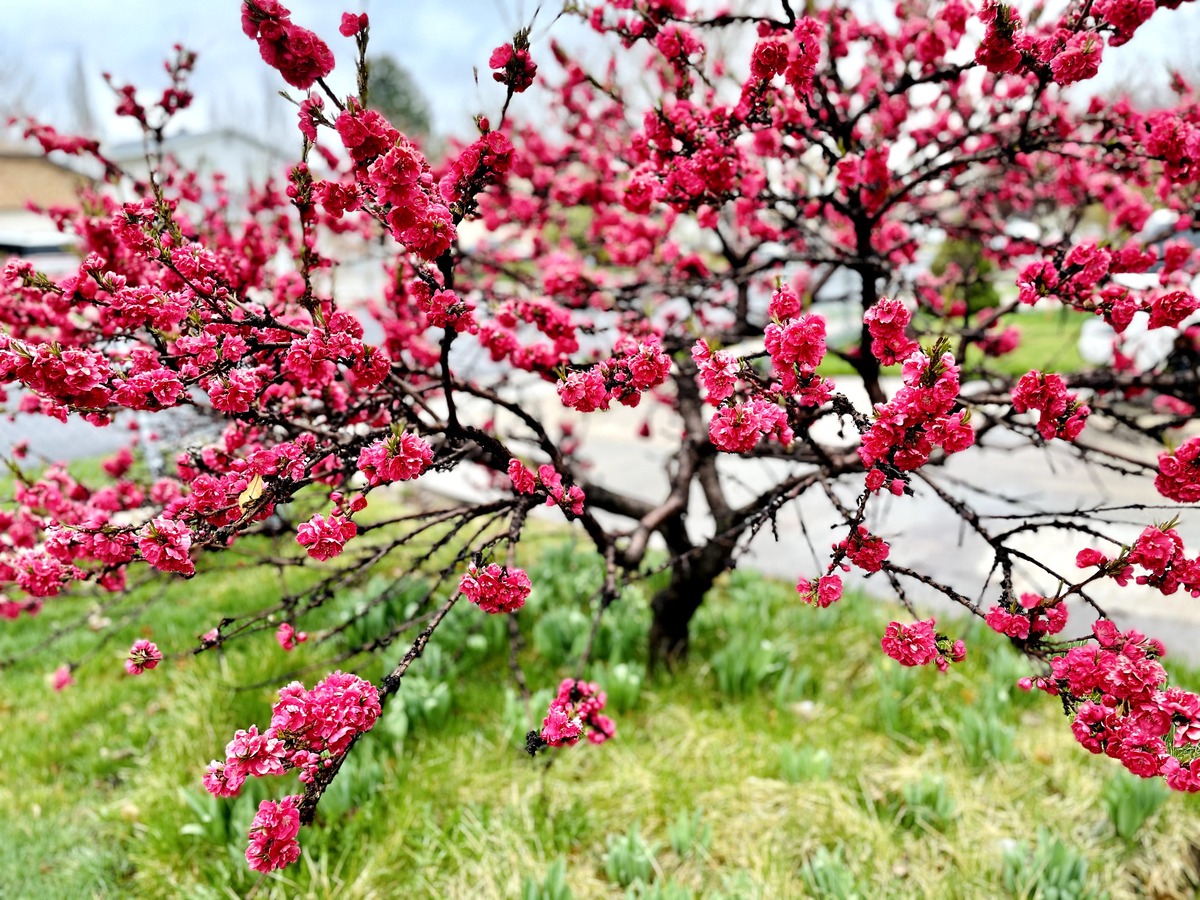
Who doesn’t love fruit trees? Not only do you get beautiful flowering in the spring, but fresh fruit in summer just taste better when picked fresh.
Out West, peach trees are a landscape favorites, but they also come with a few quirks, and peach leaf curl is one of the most common (and most misunderstood) tree diseases out there.
The tricky part? By the time you notice the curled, discolored leaves, the infection has often already happened. That’s why knowing what to look for, and how to reduce risk early, can save a lot of time, stress, and tree decline later in the season.
In our ongoing series on tree diseases, we’re taking a closer look at peach leaf curl, breaking down this fungal disease in plain terms as well as the practical steps property you can take to manage it.
Quick Links:
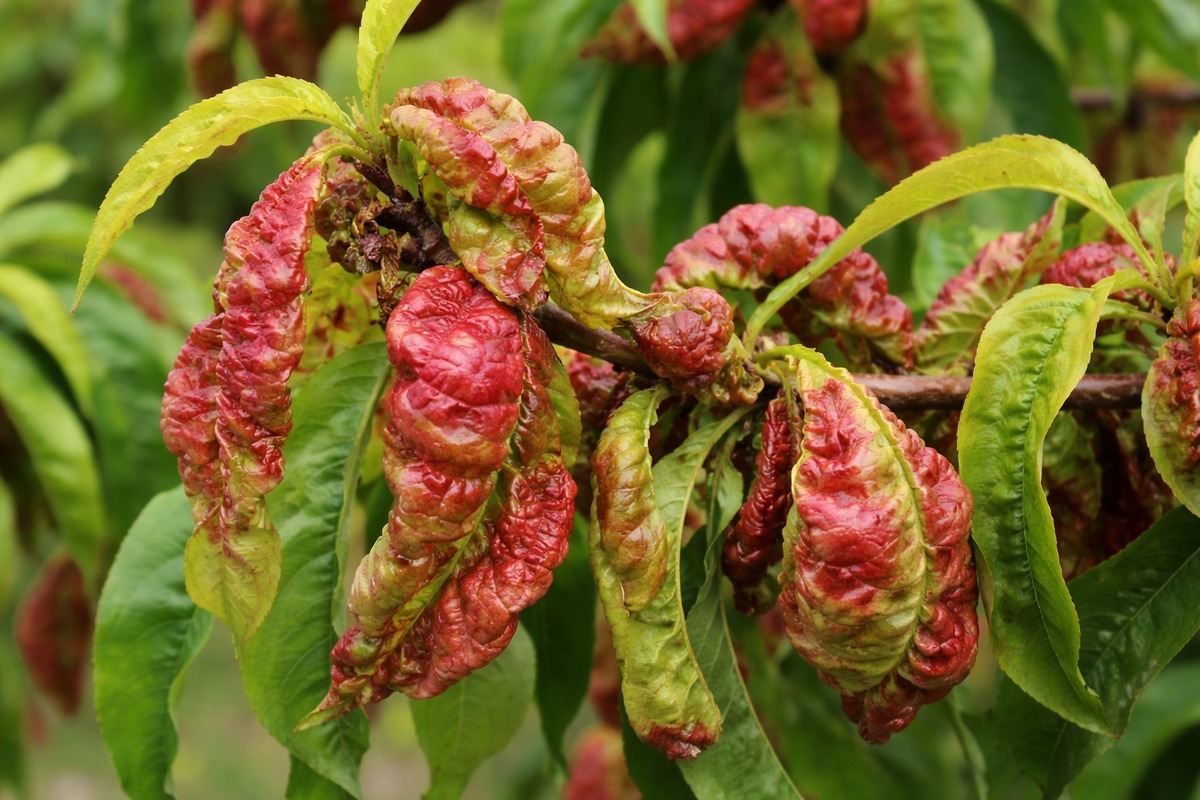
 Peach leaf curl is a common fungal tree disease affecting the new leaves of peach trees and, in some cases, nectarines. It largely interferes with normal growth and causes noticeable leaf distortion later in the season, hence the name.
One of the tricky things about peach leaf curl is that the infection typically happens before symptoms are visible. It often attacks late winter/early spring, during cool, wet periods when trees are dormant or just beginning to break bud. Unfortunately, by the time leaves show damage, the fungus has already been active for a while.
While peach leaf curl is rarely fatal to mature trees, like many tree diseases, repeated infections can weaken overall tree health, reduce canopy performance, and increase stress. This is especially true in urban areas and in some managed landscapes where trees already deal with other stressors like compacted soils, heat, and inconsistent watering.
Understanding what peach leaf curl is (and how it behaves seasonally) is the first step toward better prevention and smarter long-term care.
Some tree diseases are difficult to ID. That’s not Peach leaf curl. Once you know what you’re looking for, it’s one of the easier tree diseases to spot. As noted above, symptoms typically show up in early spring, shortly after leaves emerge. In many cases, the damage seems to appear suddenly, affecting new growth first.
Early leaves may appear distorted, but there are a few common symptoms to look for.
.jpeg?width=600&height=381&name=peach%20leaf%20curl%20(1).jpeg) Common Peach Leaf Curl Symptoms
Common Peach Leaf Curl SymptomsIn most cases, peach leaf curl affects the foliage more than the wood, but repeated infections typically weaken trees over time, especially if they’re not caught early.
Peach leaf curl is a fungal infection caused by the fungus Taphrina deformans, which targets peach (and sometimes nectarine) trees.
One of the most important things to understand is that the fungus doesn’t usually spread from leaf to leaf once symptoms appear. Instead, it survives between seasons by living on the tree’s surface, including buds, bark, and twig tissue, and then infects leaves as they begin to develop.
Because infection happens early, peach leaf curl is often a timing disease. The fungus is most successful when it reaches leaves right as they’re forming, before the tree has fully leafed out and before the leaf surface becomes more resistant.
In other words, the tree doesn’t “catch” peach leaf curl mid-summer. The groundwork is typically laid much earlier, and symptoms show up later as the leaves expand.
Understanding the cause and timing of infection makes mitigation and treatment strategies so effective for this particular tree disease.
Here’s where we’d normally talk about treating peach leaf curl, but once symptoms show up on the leaves, there’s no spray that will “fix” the curled foliage that season. At that point, treatment shifts to management and support for the tree, including reducing stress and planning ahead so the disease doesn’t return next year.
For property managers and city forestry teams, the good news is this: peach leaf curl is very manageable when you focus on the right steps at the right time.
Thankfully, unlike other tree diseases, there is a way to prevent peach leaf curl.
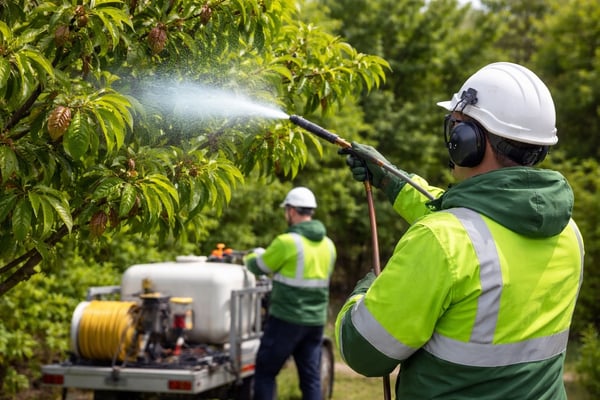 Preventing Peach Leaf Curl
When it comes to peach leaf curl, prevention is everything. Once the leaves are curled and discolored, the fungus has already done its work for the season. The best way to beat it? Stop the infection before buds open. For that reason, prevention is largely focused on dormant-season care.
For most properties and municipal landscapes, the most reliable preventive measure is a dormant spray with a copper-based fungicide (often labeled as copper soap, copper hydroxide, or copper fungicide).
Copper works by creating a protective coating on the tree’s surface that helps kill fungal spores before they infect emerging leaves. Remember, it’s preventive, not curative; it must be applied before leaf tissue is exposed.
Copper is typically applied twice yearly:
While copper spray is highly effective when applied correctly, it works best when paired with a few basic prevention steps:
For property managers and city crews, peach leaf curl is one of the most manageable tree diseases when a prevention plan is in place before spring.
As always, if you’re struggling to identify a tree issue, call in a certified arborist. They can help you identify what you’re dealing with, with certainty, and ensure your response fits the concern you’re facing.
If you’re unfamiliar with tree treatments and preventative spraying, it may be best to call in a company that offers tree services in your area. With peach leaf curl, it’s imperative that the entire tree be covered and having help can ensure your preventative efforts are effective.
If you’re looking for tree services in Utah, Colorado, or Oregon, SuperTrees has you covered. In addition to being a wholesale tree nursery leader in the West, we also provide comprehensive tree services including spraying, pruning, watering, and more. Reach out to our team today for more information!