tree health
Tree Care

Every city forester and landscaper wants what works. What keeps their urban forest, managed landscape, or community trees thriving, healthy, and easy to maintain is essential, but so is ensuring you’ve created a landscape that’s also pleasing to residents, visitors, and wildlife.
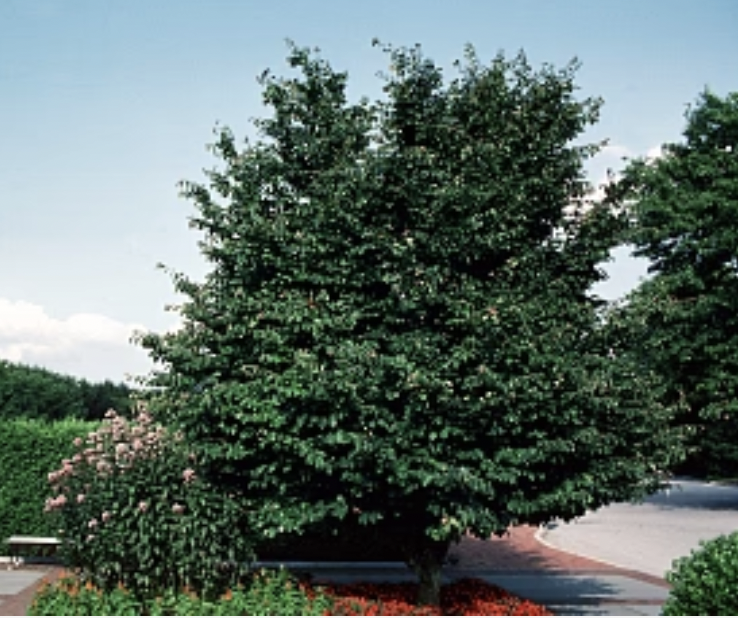
The Persian ironwood is one of those quiet performers that delivers beauty, resilience, and four-season interest without asking for much in return.
Quick Links:
The Persian ironwood is a standout member of the Hamamelidaceae family, a group of ornamental trees and shrubs known for their four-season interest, exceptional durability, and remarkable bark and foliage.
This family includes a few other well-loved landscape staples, such as witch hazel, winter hazel, and parrotia, all of which thrive in a wide range of urban, residential, and commercial environments.
Across the Hamamelidaceae family, you’ll find the characteristics many arborists look for when planning both urban forests and managed landscapes:
As cities and communities work to expand canopy diversity and reduce reliance on overused species, members of the Persian ironwood family stand out as reliable, underutilized options.
Their blend of artistry and hardiness makes them ideal for HOAs seeking year-round appeal, municipal forestry teams that need climate-resilient winter trees, and landscapers seeking show-stopping color without added maintenance.
 A Hardy Beauty: The Persian Ironwood
The Persian ironwood (Parrotia persica) is one of those rare landscape trees that manages to be both quietly elegant and unmistakably dramatic. Your eyes might, in fact, pass over it at first, but its beauty is, truly, a slow burn. It builds through the seasons, offering layered interest that rewards anyone who looks closely (and even those who don’t).
In spring and summer, the Persian ironwood forms a canopy of glossy green leaves, providing both structure and softness to parks, streetscapes, and residential corridors. But the magic truly begins as temperatures cool.
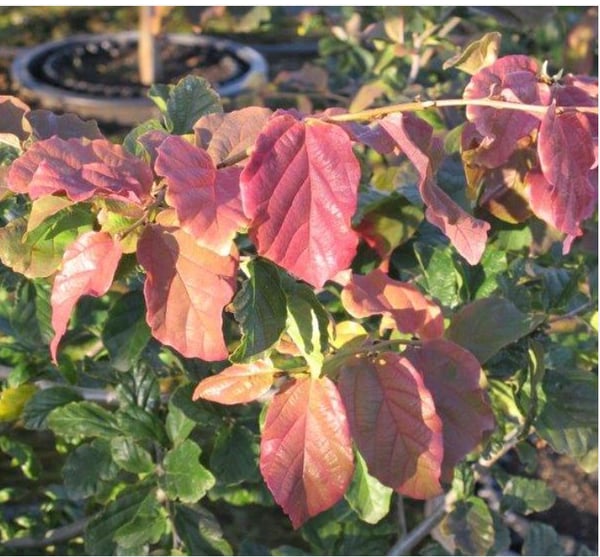
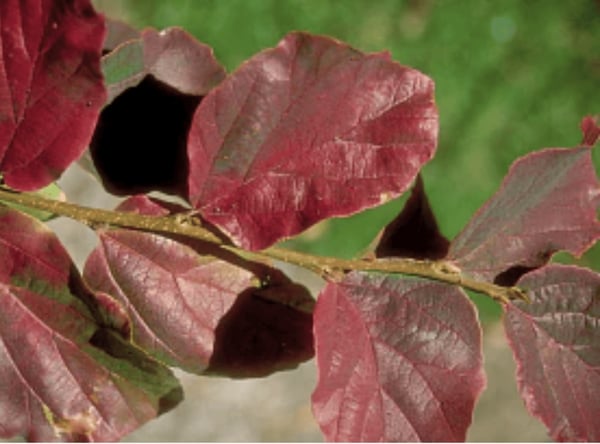
Few fall foliage displays rival the kaleidoscope of colors this tree produces. It shifts through gold, apricot, orange, scarlet, and plum, sometimes all on the same branch. It’s a natural showstopper for communities looking to enhance seasonal appeal without relying on overplanted species.
As a winter tree, the Persian ironwood features an exfoliating bark with mottled patches of gray, green, tan, and cream, forming a living sculpture in its leafless months. It’s a bark that gives the tree an eye-catching and pleasing presence.
Beyond its aesthetics, the Persian ironwood is built for resilience. It’s a naturally tough tree, well-suited to urban environments because of its tolerance of variable soil conditions, heat, and intermittent drought. Its sturdy branching and strong wood make it well-suited to the demands of community landscapes and municipal plantings. And, unlike many ornamental trees, it holds its form without frequent maintenance, which is excellent for those working with limited tree or forestry budgets.
What makes the Persian ironwood especially valuable, however, is its role in strengthening urban canopy diversity. At a time when cities must proactively expand beyond traditional maples, oaks, and ash replacements, the ironwood provides a durable, climate-resilient option that delivers on both function and beauty. It nicely fills a niche: a medium-sized, low-maintenance shade tree with four-season interest and exceptional longevity.
While the Persian ironwood is often admired for its beauty, it’s just as deserving of attention for its dependable performance in real-world landscapes. This tree handles urban pressures with grace, delivers long-term canopy value, and remains attractive with minimal maintenance.
Below are the essential growing details and quick facts that make it such a strong candidate for diverse planting sites.
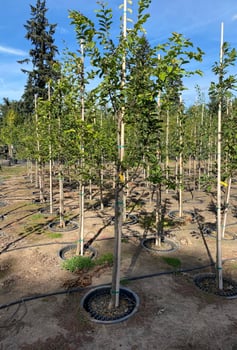 Traits That Make Persian Ironwood Urban-Ready
The Persian ironwood isn’t just beautiful, it’s built for the realities of city and community landscapes. Its natural resilience and low-maintenance habits make it a smart, dependable choice for urban forestry teams, HOAs, and landscape designers looking to diversify their canopy.
For cities, HOAs, and other managed landscapes looking to build a healthier and more resilient urban canopy, the Persian ironwood offers exactly what long-term tree plans need: strength, adaptability, and meaningful diversity.
As communities confront pests, diseases, climate pressures, and the risks of over-relying on a handful of species, which can be disastrous, diversifying is an essential strategy. The Persian ironwood absolutely stands out as a reliable and often underutilized solution.
To start, its low maintenance requirements and naturally strong structure make it ideal for teams managing extensive inventories with limited labor. With fewer pests and diseases to monitor, ongoing maintenance costs are reduced, which is an essential consideration for many.
The Persian ironwood also contributes essential canopy diversity, helping landscapes move away from monocultures of maples, ashes, or ornamental pears that have historically dominated urban plantings.
 A Four-Season Performer: The Beauty of the Persian Ironwood
Few trees offer year-round interest quite like the Persian ironwood. It’s a landscape workhorse disguised as an ornamental gem. It brings something unique to every season and elevates streetscapes, parks, campuses, and residential environments with its quiet, dependable charm.
In spring, its emerging foliage adds a fresh, refined texture to planting beds and pedestrian corridors. Summer brings a full, clean canopy that provides shade without overwhelming tight urban spaces.
By autumn, the Persian ironwood earns its reputation. Its fall foliage and dynamic color display make it a standout choice for highly visible plantings. And, in winter, it continues to shine. Its exfoliating bark adds interest to otherwise quiet landscapes. Even without leaves, it brings texture, shape, and movement.
These combined traits make the Persian ironwood exceptionally versatile in design. It works beautifully as:
Whether your goal is to better develop and diversify your urban canopy, bring more seasonal interest to community landscapes, or simplify your canopy with low-maintenance performers, the Persian ironwood delivers year after year.
It’s a tree that grows more beautiful with time and continues to work for the landscape long after planting day. If you’re ready to talk about adding these to your urban forest, or simply want to discuss what options you have to meet your tree goals, our team of certified arborists is here to help, from seed to service. Get in touch today!