tree health
Tree Care
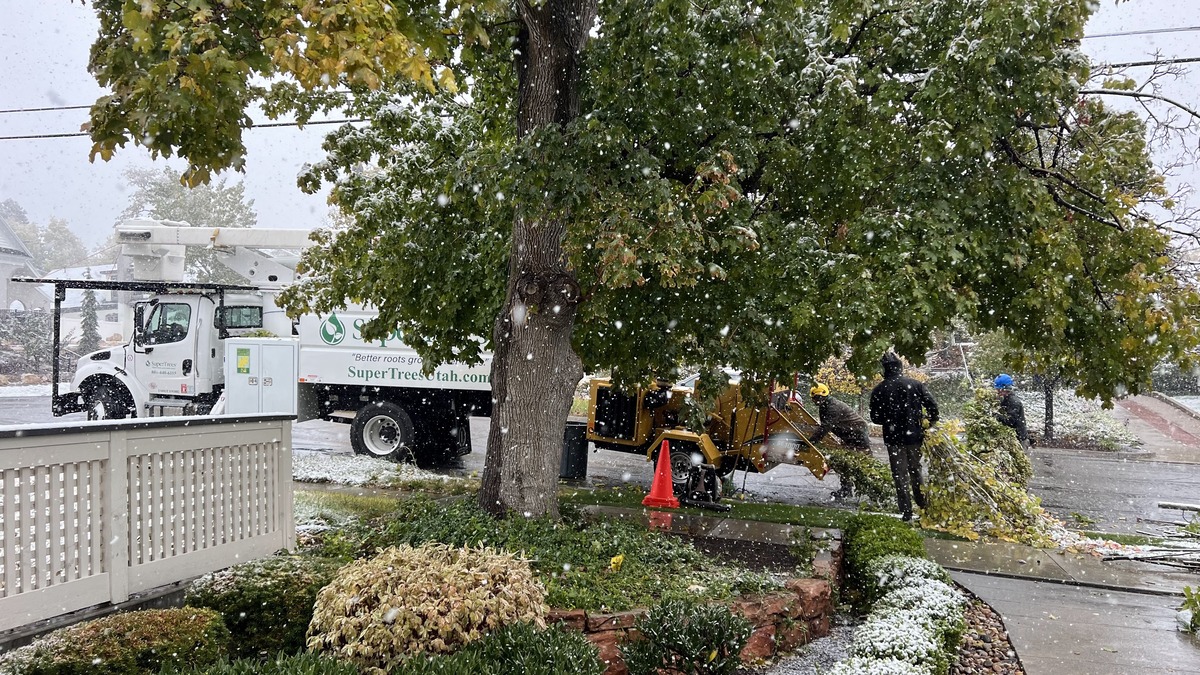

Winter has a way of exposing weak links. From Icy sidewalks and leaky boots, to…you guessed it, trees that weren’t quite ready for Colorado weather. One heavy snow or wind-whipped storm can turn a perfectly calm landscape into a very bad day for both arborists and clean-up crews.
The good news? Most winter tree damage is preventable. With the right tree selection, smart placement, and an understanding of how snow and wind really behave in Colorado and similar regions, trees can come through winter strong and intact.
Quick Links:
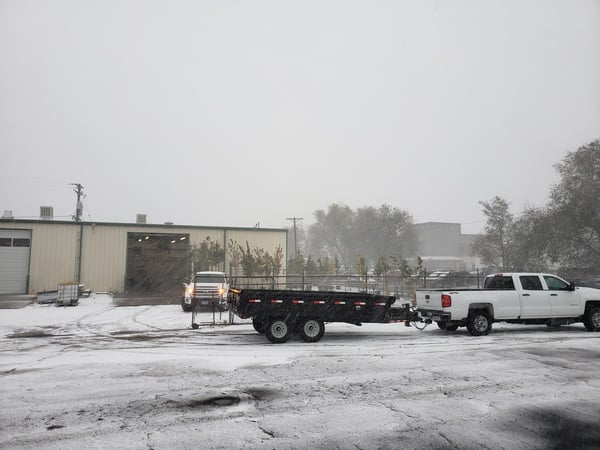 How Snow Load and Wind Affect Colorado Trees
Winter in Colorado is not for the weak. Heavy snow, strong winds, intense sunlight, drastic temperature fluctuations, and dry air create significant stress on humans and trees.
For trees, these stressors cause short-term damage and, over the long term, impact tree health and performance, even after winter ends. Understanding winter threats can help those responsible for urban forests and managed landscapes make better decisions about which Colorado trees are best suited for harsh winter conditions.
One of the most appealing aspects of falling snow is how delicate it looks, how softly it appears to land, and how peaceful it can feel. However, as anyone who has ever had to shovel a driveway will tell you, the weight of snow increases quickly, especially during wet storms and freeze–thaw events common along the Front Range and in mountain regions.
How heavy is snow?
As snow builds, branches may bend, crack, or break, particularly during late-season storms when trees are already stressed. Repeated loading often leaves lingering damage that becomes more apparent in spring.
Winter storms in Colorado often include a potentially damaging combination of snow with strong, persistent winds. These winds apply uneven force to the canopy, especially when snow is already weighing branches down. In open or elevated sites such as streetscapes, campuses, prairie edges, and foothills, wind can intensify winter damage and increase the likelihood of breakage during storms.
On the Front Range, daytime sun can spike temperatures followed by nighttime freezes, and those rapid shifts are a defining feature of Colorado winters. These cycles cause plant tissues to expand and contract repeatedly, increasing stress on branches and, as we get closer to springtime, buds.
Cold, dry winds common in the mountains are infamous for pulling moisture from just about everywhere, but tree needles and buds are particularly vulnerable when frozen soils limit water uptake and winter watering is no longer possible.
This is especially common in evergreens and newly planted trees. Symptoms such as browning, needle scorch, and dieback often show up in late winter or early spring, reducing overall tree vigor.
Snow load, wind, freeze–thaw cycles, and winter desiccation are hallmarks of the challenges facing Colorado trees during winter.
In Colorado and similar cold, windy regions, winter quickly reveals how well a tree is built. The repeated winter stressors on branch attachments and trunks make structure a critical factor in long-term tree performance. This also helps explain why tree pruning is essential!
Trees with a single, dominant trunk handle winter stress more effectively. Multiple competing leaders increase the risk of splitting under snow or ice.
Branches that attach at wider angles form stronger unions and are less likely to trap snow and ice than narrow, upright attachments. They’re also better able to withstand the weight of heavy snows.
Well-spaced branches around the trunk help distribute snow and wind loads evenly, reducing the chance of storm-related damage.
Codominant stems create weak points that are more likely to fail during heavy snow or wind events.
Trees that tolerate early structural pruning are easier to guide into stable forms that perform better over time.
Prioritizing these traits during tree selection, that is, choosing trees recognized for their structural stability, leads to healthier, lower-maintenance trees that are better suited to Colorado’s winter conditions.
When space allows, large trees provide critical canopy, shade, and wind buffering in Colorado and similar cold-climate regions.
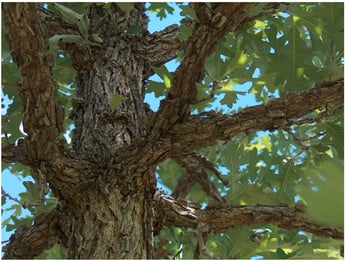 Bur Oak (Quercus macrocarpa)
A cold-hardy, long-lived oak with a rugged growth habit well suited to demanding winter conditions.
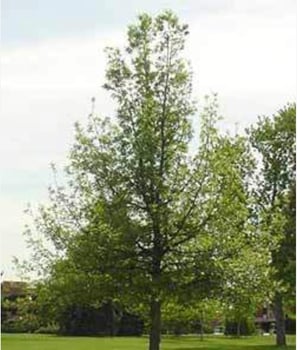 An adaptable oak that performs reliably in urban soils while maintaining good winter durability.
A tough native tree that holds up well in exposed sites with wind and variable moisture.
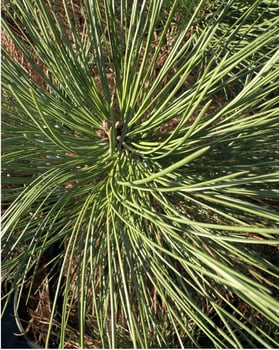 A native conifer of the Front Range with an open form that performs well in snowy, windy settings.
A large, coarse-textured tree whose open winter canopy limits snow accumulation.
Choosing large trees with proven winter performance helps reduce storm damage and long-term maintenance while building resilient regional canopies. These trees are ideal for open spaces and where there’s room to accommodate their growth, but they can also act to protect smaller trees in the canopy when planted in conjunction with other strong winter performers.
Medium-sized trees are often the workhorses of Colorado landscapes. They’re large enough to provide meaningful canopy and presence, yet small enough to fit streetscapes, campuses, courtyards, and HOA plantings.
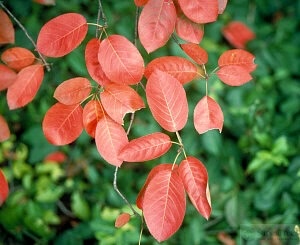 Serviceberry (Amelanchier spp.)
Well-adapted native trees and cultivars, serviceberry offers reliable winter performance and multi-season interest, making it a strong choice for urban and residential settings.
Known for its dense wood and resilient branching, Persian ironwood performs well in cold climates and handles winter stress with minimal breakage.
A time-tested urban tree, ginkgo combines excellent wind tolerance with reliable winter performance when planted as male cultivars.
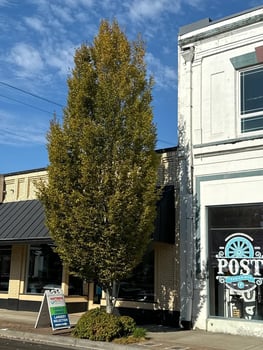 Frequently used in structured landscapes, hornbeam maintains good form and strength through winter when properly sited and pruned.
These medium-sized Colorado trees offer a balance of scale, strength, and flexibility, perfect for winter-resilient planting across the region.
Before we write off ornamental trees as too small or delicate for Colorado winters, no urban landscape, whether streets or parks, is complete without them. Even these ornamentals can hang with the big guys when it comes to handling Colorado snows.
A tough, cold-hardy ornamental with good wind tolerance, cultivars like the Russian hawthorn perform reliably in winter and are a wildlife attractor with seasonal beauty.
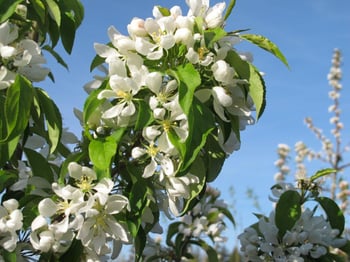 Crabapple (Malus spp., disease-resistant cultivars)
Modern crabapple cultivars selected for structure and disease resistance handle snow load well and provide winter interest through form and persistent fruit.
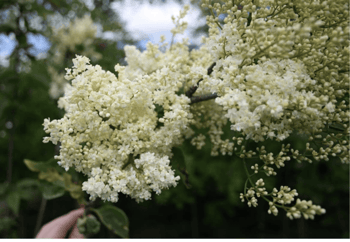 Japanese Tree Lilac (Syringa reticulata)
A dependable choice for streetscapes and campuses, this tree lilac tolerates cold, wind, and snow while maintaining a clean, upright form.
An adaptable small ornamental valued for winter bark interest and resilience in cold climates when properly sited.
These winter-ready ornamentals provide durability without sacrificing aesthetics. From winter interest to flowering, they’re both beautiful and strong, capable of handling Colorado and similar regions.
Some of us just weren’t built for winter, but that doesn’t mean we can’t handle it with a little help. Much like those colder days when we need an extra layer, some Colorado trees need closer attention in exposed, high-snow, or high-wind sites. Let’s take a look at some of the risk categories and some trees that fit the bill.
These trees tend to develop upright branch attachments that can trap snow and ice if not managed early.
Trees that naturally form multiple leaders are more prone to splitting under snow load without early intervention.
Wide, horizontal branching can lead to snow accumulation and increased risk of breakage during heavy storms.
Fall planting is great for trees as it give them time to establish as they focus on roots rather than leaves and buds while allowing for focused watering without scorching sun. But, especially when winter comes early, fall-planted trees may need extra attention. Roots are still developing, which can limit water uptake and stability during cold, windy conditions and freeze–thaw cycles.
Dry winter winds can cause desiccation, while snow and ice may shift root balls before trees are fully anchored. Monitoring soil moisture, maintaining mulch, and checking for movement after storms helps ensure young trees enter spring healthy and secure.
%20(1).jpg?width=600&height=450&name=IMG_2357%20(1)%20(1).jpg) How Proper Placement Helps Colorado Trees Resist Snow and Wind
How Proper Placement Helps Colorado Trees Resist Snow and WindThe reality of winter across much of the country is that wind and snow will happen. In some regions, they’re a bit more intense, and it need not restrict your tree selection.
In fact, even the best native Colorado trees can struggle if they’re planted in the wrong place. Winter performance isn’t just about species selection; it’s also about where and how a tree is sited. Thoughtful placement can significantly reduce snow load, wind exposure, and long-term stress.
Planting trees where they receive some protection from winter winds, such as near buildings, landforms, or established vegetation, can reduce windburn and moisture loss. In open sites, even partial wind buffering can make a meaningful difference during cold, dry storms.
Adequate spacing is equally important. Trees planted too close to structures, roads, or other trees may develop imbalanced canopies or experience uneven snow loading. Allowing room for mature size helps snow shed more evenly and reduces storm-related breakage.
Site conditions below ground matter as well. Proper drainage prevents ice buildup around roots during freeze–thaw cycles, while avoiding low spots where snow piles up reduces prolonged loading on branches.
It’s essential to consider your site when selecting trees. Considering exposure, slope, and surrounding features can help trees enter winter better prepared and recover more quickly when spring arrives.
As a wholesale tree nursery in Colorado, SuperTrees certified arborists are ready to help you plan your managed landscape or urban forest to withstand a harsh winter. From supplying Colorado natives and cultivars to assisting with tree and site selection, we’re growing for you and with you. Get in touch today!