Tree Selection
urban forestry
Colorado Trees
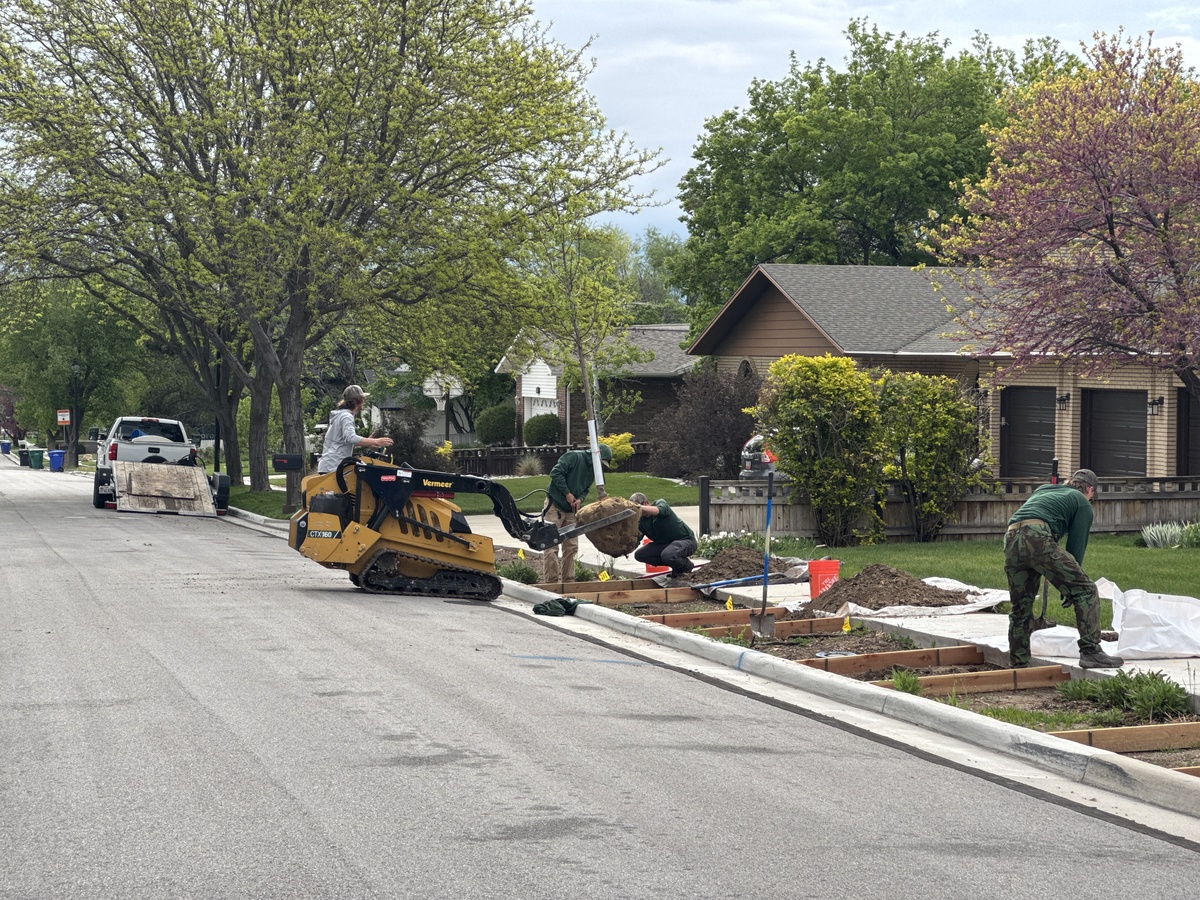

Whether you’re a homeowner, a landscaper, a property manager, or a city forester, spring makes one thing clear: it’s time to give the landscape a little love. For many, this means cleanup, spring maintenance, pruning, and tree removals. Inevitably, that means seeing gaps and opportunities to enhance the landscape, fill gaps, and replace trees.
Tree planting may seem easy, you just dig a hole and drop it in, right? But it’s not that simple. We’ll be looking more closely at tree planting tips in our next blog. For now, we’re focusing on the first steps, the essentials that many forget, and that’s right tree, right place.
Quick Links:
Across Utah, Colorado, and the Pacific Northwest, the “right” time to plant depends on multiple factors, including climate, soil conditions, and how trees respond to seasonal changes.
Understanding when to plant trees means looking beyond the calendar and paying attention to what’s happening both above and below ground.
Out West, including much of Utah and Colorado, early spring planting is usually the most reliable window. The soil is beginning to warm, and snowmelt increases the available water, allowing trees to establish roots before summer heat and dryness set in. Successful establishment needs that runway and gives trees a full growing season to adapt and build resilience before facing winter stresses.
In Oregon and other parts of the PNW, fall planting is often the best option. Mild winters and steady rainfall allow roots to continue developing, and by spring, those fall trees are already partially established and ready for the growing season. While spring planting can still work in the PNW, it typically requires more active irrigation management as summer approaches.
In the Intermountain West, fall planting comes with its own set of challenges. Both spring and fall may feature sudden temperature drops, but fall is far more likely to see dry winds and freeze–thaw cycles, which can interrupt root development or damage newly planted trees.
In Colorado and Utah, fall planting success often depends on proper tree selection, thoughtful tree siting, and consistent post-planting care, including a structured winter watering plan. Instead, spring planting is the better choice.
We won’t get too deep into the weeds here, but soil conditions play a huge role in successful tree planting.
Roots begin to grow when soil temperatures reach roughly 40–50°F, with 60°F being optimal. Even if the tree above ground still appears dormant, once the soil reaches these temps, the roots are getting to work. Planting when soil temps are in this sweet spot allows trees to prioritize root development without the added demand of supporting leaves or other new growth.
In contrast, soil below 36°F can slow growth and delay establishment. Similarly, hot, dry conditions can cause stress before roots are ready to support the canopy.
Moisture is critical. In the Intermountain West, spring planting typically aligns with the natural precipitation cycles, providing moisture when trees need it most. In the Pacific Northwest, fall rains provide the same advantage, reducing the need for irrigation early on.
Additionally, planting during dormant periods, late fall through early spring, helps minimize transplant shock. Instead of diverting energy to leaf production, trees can, instead, focus on developing strong, healthy root systems.
Whether sourced from a retail nursery or a wholesale tree nursery, dormant-season planting is one of the most reliable ways to support healthy trees and long-term success.
At its core, tree establishment is about root development. The more time we can give for roots to grow before environmental stressors hit, the better a tree will perform over the course of its life.
Timing tree planting with regional conditions, including soil temperature, moisture availability, and dormancy, helps trees establish more efficiently and requires less human intervention. That’s especially important in urban forests and managed landscapes, where long-term performance, resilience, and reduced resources all matter.
Ultimately, getting the tree-planting season right is the first step toward success. It sets the foundation for everything that follows.
 Why Tree Selection Matters More Than Timing
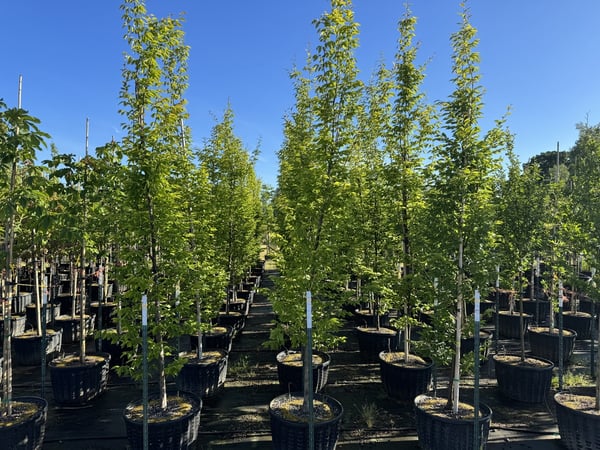
Timing helps trees get started, but ultimately, tree selection determines how it will perform over time. You can plant at the perfect time, but if the tree isn’t suited to the site, long-term success is less likely. That’s where the principle of “right tree, right place” becomes essential.
If you want tree planting success, start by matching a tree to its environment, especially below ground. Soil type, drainage, and available rooting space will all play a major role in how well a tree establishes. In places like Utah and Colorado, that often means selecting trees that tolerate alkaline, compacted soils and drier conditions. In the Pacific Northwest, it may mean choosing species that can handle heavier, wetter soils.
A tree that fits its site will establish faster, require less tree maintenance and care, and perform better over time.
Beyond the regional climate are the microclimates. Siting forces you to consider potential challenges such as heat from pavement, wind exposure, sun intensity, and irrigation access, all of which can vary significantly even within a single landscape. In the Intermountain West, drought-tolerant trees are often the best fit, while in the PNW, summer dry periods still require planning.
Matching trees to macro- and microclimatic conditions helps prevent stress and supports stronger, more resilient growth.
We understand falling in love with a picture of a mature tree or even a tree at your local nursery. It’s easy to choose trees based on appearance, but if they’re not healthy, those looks will fade. Performance over the long term matters more. Trees that aren’t suited to their environment often struggle with water demand, pests, or structural issues.
Whether sourcing from a retail nursery or a wholesale tree nursery, selecting for durability and site compatibility leads to healthier trees, lower maintenance, and better outcomes, whether it's an urban forest, a managed landscape, or your yard.
Sure, timing matters, but tree selection and siting are what determine whether a tree simply survives or truly thrives.
From cooler temperatures and increased soil moisture to a full growing season ahead, trees planted in early spring have the best opportunity for strong establishment.
For trees in Utah and Colorado, durability is key, especially when they face heat, wind, and variable water availability. In the PNW, adaptability still matters, particularly in urban settings or managed landscapes where conditions aren’t always ideal.
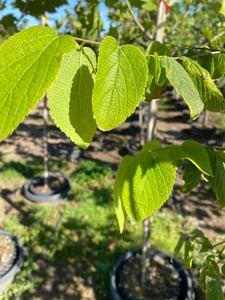 Hackberry (Celtis occidentalis)
Who doesn’t love a flowering tree? Ornamentals are a landscape statement, but when they fail, that’s not quite the statement you want to make. Even in residential landscapes, selection still matters, especially for cold hardiness and water needs.
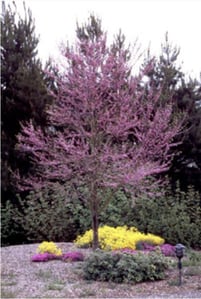 Eastern Redbud (Cercis canadensis)
Evergreens provide year-round structure and are essential for wind protection and screening, especially in open or exposed sites.
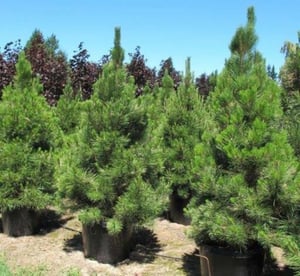 Austrian Pine (Pinus nigra)
Native trees and regionally adapted cultivars are an excellent choice, as selecting trees that align with regional conditions helps lay the foundation for healthy trees that establish quickly and perform well for decades.
Even when a tree is well adapted to your region, overplanting can be a major problem. Planting the same species repeatedly across a managed landscape or city creates vulnerability, especially when a tree disease or pest appears. History has shown this clearly, from Dutch elm disease to the spread of emerald ash borer.
Spring is a great time to plant, but only when the species matches the site. Avoiding high-demand, poorly adapted, or overused trees is just as important as choosing the right ones. Canopy diversity is one of the keys to success in any landscape.
If you’re looking for a local resource, a retail or wholesale nursery, that can help you choose the best trees for your site and your needs, then reach out to the SuperTrees team today.
Our retail nursery in Riverton, Utah, is ready to help homeowners.
For managed landscapes and urban forests, our teams in Oregon, Colorado, and Utah would love to help. Reach out to our team or request our wholesale availability list below!