tree health
Tree Care

 Some trees impress all at once. Others keep surprising you. Some stand out for their size, spring flowers, or fragrance. Some stun in the winter.
In the winter? Meet the paperbark maple, which falls squarely into the second camp, earning attention not through size or speed, but through texture, color, and a presence that only gets better with time. It’s the kind of tree that makes people stop in winter and look a little closer.
Quick Links:
Maples often get lumped in with “common” trees, which seems to suggest they’re somehow boring. However, maple trees are a cornerstone of landscapes across North America, and there are a few reasons they’re such foundational members of urban forests.
The Acer genus is valued for its adaptability, strong canopy structure, and unmistakable seasonal beauty. They boast a reputation as both expansive shade trees anchoring parks and streetscapes and as little-recognized ornamental beauties for courtyards and campuses.
What makes maple trees especially appealing to city foresters and landscape managers is their versatility. Across the genus, maples offer:
Within the maple family, certain species stand out not for their size or growth rate, but for their ornamental character and winter presence. This is where the paperbark maple finds its niche. While many maples are celebrated for their foliage, the paperbark maple is recognized for its remarkable bark, which adds texture, warmth, and visual interest when much of the landscape is dormant.
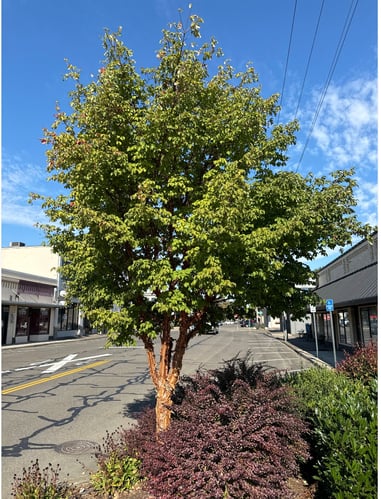 A Standout Specimen: The Paperbark Maple
Most maples fade into the forest. They don’t stand out; they support, but the paperbark maple is a tree that garners attention and keeps it year-round.
Unlike many maples that rely primarily on size or fall color, this species distinguishes itself by texture, form, and a four-season presence, making it a favorite among urban foresters and landscape managers seeking long-term visual payoff in smaller spaces and during winter, when landscapes can be bland.
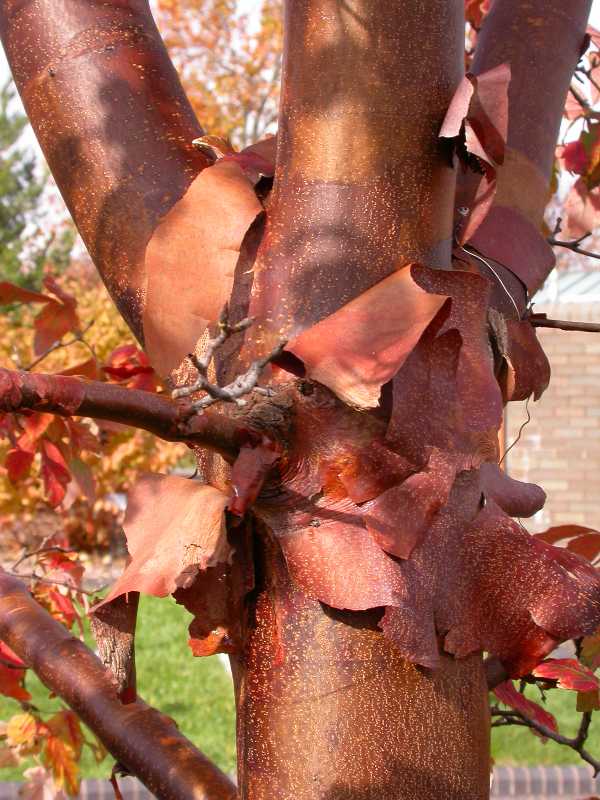
What truly sets the paperbark maple apart is its iconic, cinnamon-colored exfoliating bark. Peeling in thin, papery layers, the bark creates warmth and visual depth in winter landscapes, when most trees fade into the background. This makes it one of the most effective winter trees available for urban settings, especially in courtyards, streetscapes, and pedestrian-focused areas where close-up interest matters.
As an ornamental tree, the paperbark maple offers a refined silhouette and balanced branching structure that feels intentional rather than imposing. It integrates seamlessly into mixed plantings, complements larger shade trees, and adds contrast within a diverse urban forest.
In fall, its foliage turns rich shades of red and orange, reinforcing its seasonal appeal without overwhelming surrounding plantings.
Its slow, steady presence and enduring character make it especially valuable in designed landscapes where longevity and low visual clutter are priorities.
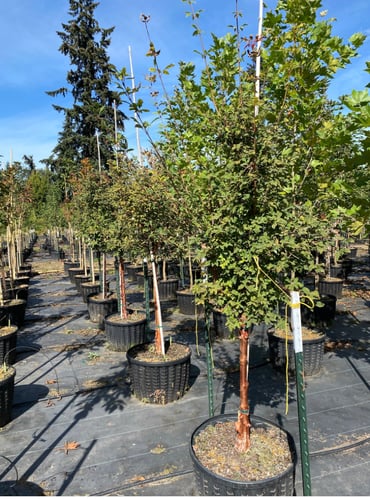 Paperbark Maple: Growing Details and Quick Facts
While the paperbark maple is best known for its striking bark and ornamental appeal, it’s also a dependable performer in thoughtfully planned landscapes.
For urban and city foresters and landscape managers, understanding its basic growing characteristics helps ensure it’s placed where it can thrive and deliver long-term value.
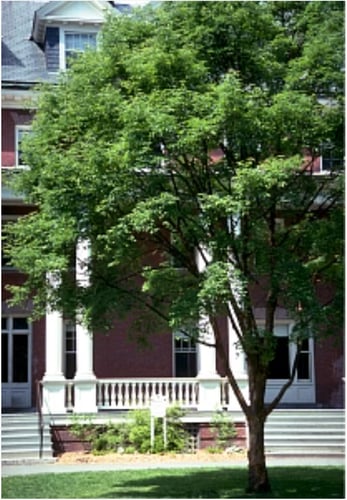 Traits That Make Paperbark Maple Urban-Ready
For many city and urban foresters, or land managers in urban settings, choosing the right tree is half the battle. When managing budgets and resources, knowing which trees will perform well for you is essential, which means choosing urban-ready trees that can withstand the unique challenges of urban environments.
Sure, the paperbark maple is a beautiful tree, but it also brings practical advantages in managed urban landscapes. For city foresters and landscape managers, these traits translate into long-term reliability and visual impact with minimal intervention.
Whether you’re an urban forester or a landscape manager, one of your primary goals is to build a strong and diverse tree inventory. Not only does it help with resiliency and longevity, but it also helps protect your investment.
Over-reliance on a narrow range of species increases vulnerability to pests, tree disease, and environmental stress. Within a thoughtful, strategic tree plan, the paperbark maple plays an important supporting role. Not only does it add resilience and year-round value, but it does so without competing with larger canopy trees.
From an inventory perspective, paperbark maple serves as a high-value ornamental and small shade tree that complements more dominant canopy species. Its moderate size is perfect for filling gaps in planting plans where you may have space constraints, sightlines, or infrastructure limits that prevent you from using larger trees. This is helpful when looking to diversify species counts while still meeting canopy coverage goals.
The paperbark maple also boosts canopy diversity by expanding representation within the maple genus. Many urban forests are heavily weighted toward fast-growing or historically popular maples. We get it. When looking to fill in and improve your canopy, fast-growing trees have their appeal. That said, incorporating paperbark maple introduces a structurally different, slower-growing species that reduces risk, all while offering seasonal and winter interest.
In strategic tree plans, paperbark maple is especially valuable in locations where winter tree success and close-up visual appeal matter. Where? Think plazas, civic spaces, campuses, and pedestrian corridors.
Its distinctive bark ensures these spaces remain visually engaging year-round, improving public perception of urban forestry investments even during winter months.
Including the paperbark maple into inventories and long-term planting strategies means building more resilient, diverse urban forests while balancing and complementing larger species with ornamental interest, species variety, and long-term sustainability.
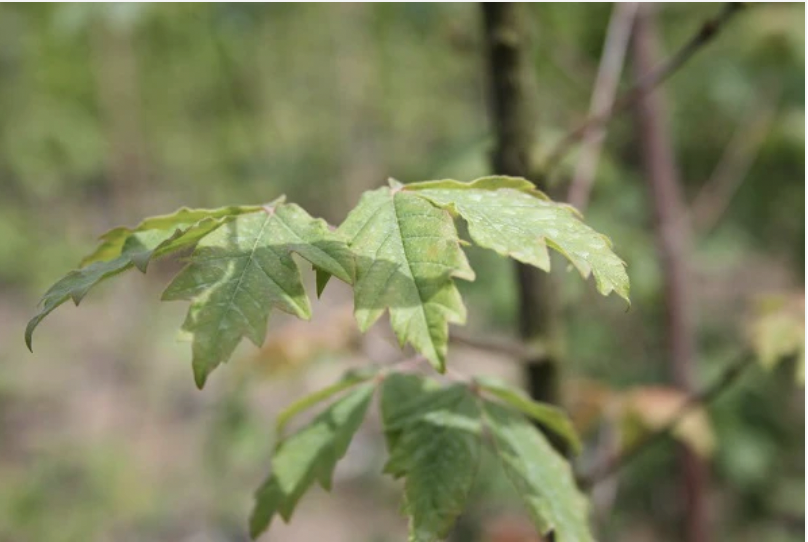 A Four-Season Performer: The Beauty of the Paperbark Maple
Too often, landscape planners think a striking landscape is about size– big, imposing trees that draw attention. The paperbark maple is a reminder that great landscape trees don’t need to be large to be impactful. Its appeal unfolds gradually through the seasons, making it one of the most striking ornamental trees for urban and managed landscapes.
In spring and summer, a structured and refined canopy softens the often hard, angular edges created by buildings. In streetscapes, plazas, and on campuses, its foliage provides light shade without overpowering nearby plantings, making it well-suited for pedestrian-focused environments and mixed-species designs.
In fall, the paperbark maple delivers classic maple color—rich reds and warm oranges that add seasonal drama to the urban forest. But, unlike many trees whose value peaks in autumn, this species truly shines in winter.
Its signature cinnamon-colored, exfoliating tree bark becomes the focal point. It offers texture, warmth, and visual interest when most landscapes are dormant and bland. This winter performance is what elevates the paperbark maple from attractive to exceptional.
Because of its four-season presence, the paperbark maple works beautifully as:
Whether you’re building or refining an urban canopy, the paperbark maple is a smart species to consider.
Ready to connect with a trusted wholesale tree nursery serving Utah, Colorado, the Pacific Northwest, and surrounding regions? We can help you source paperbark maple and other complementary trees that strengthen diversity, resilience, and year-round beauty across your urban forest. Reach out today!