tree health
Tree Care
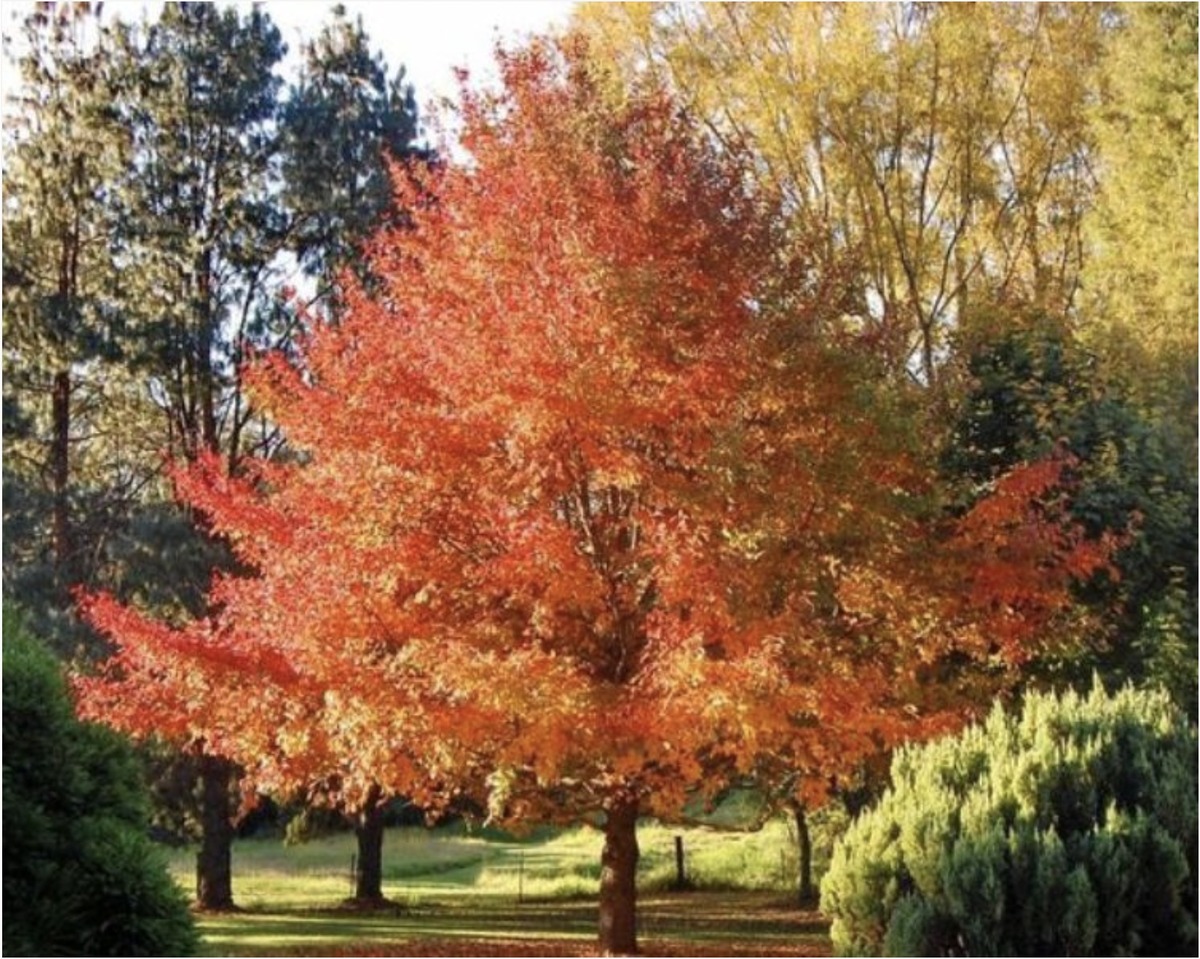

When you’re getting ready to add to your yard, managed landscape or urban forest, you’re likely looking for a tree that can provide a variety of benefits and Black Gum Trees (Nyssa sylvatica) are one of those rare selections that check nearly every box.
From structure and adaptability to longevity and standout seasonal interest, they’ve got it all. From the namesake species to cultivars like Tupelo Tower and Wildfire, Black Gums bring both versatility and a visual payoff to a wide range of landscapes.
Quick Links:
The Black Gum Tree (Nyssa sylvatica), is also called Black Tupelo, and it belongs to a small but important group of trees known as the tupelo family. The tupelo family is native to eastern North America, where they’ve built a strong reputation for their durability, adaptability, and ecological value.
Within the family, the black tupelo is the most widely planted and versatile. Naturally, it’s found in a pretty wide range of environments, from wetlands to upland forests. That it can handle such varying site conditions is a testament to its durability and adaptability. For those of us out West, that flexibility suggests it can perform in our region and varied landscape types.
One of the things we love most about the black tupelo is all the amazing cultivars. From Tupelo Tower and Northern Splendor to the Wildfire, each has been cultivated for a specific trait such as its form, its even more stunning fall foliage, or its urban performance.
In other words, it doesn’t matter if you’re a homeowner, landscaper, or city/urban forester; there’s a black gum tree to fit your needs.
Of course, the first thing our team thinks of when we hear "black gum tree" is gorgeous fall foliage, but as noted above, each cultivar offers something just a little different. While there are other cultivars, our wholesale and retail nursery grows the following:
Let’s start with the straight species, the Black Tupelo. It supports both wildlife and pollinators, providing value to native ecosystems while its classic pyramidal-to-rounded shape and signature fall color are sought by landscapers and homeowners.
If you’ve got a smaller space but still want a pop of fall color, take a look at Tupelo Tower. With a narrow, columnar form, you’ll get the same height and fabulous fall color. Ideal for tighter urban spaces, streetscapes, and smaller yards where a vertical presence is desired, but horizontal space is limited.
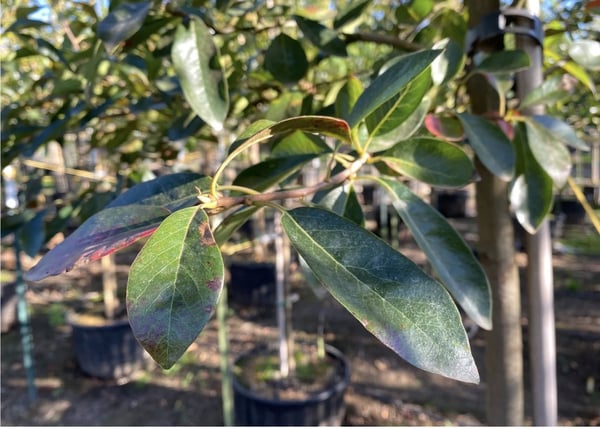 Northern Splendor Black Gum
In climates requiring cold hardiness and consistency, Northern Splendor delivers. It’s got a uniform structure and the distinctive fall foliage black gum trees are known for. If you’re looking for reliability and durability, this is the cultivar to seek out.
Looking for something a bit more refined? The Majestic Black Tupelo is elegant, with a strong, upright structure and a central leader. In landscape designs where symmetry is essential, or a more formal feeling is the goal, this is a great choice.
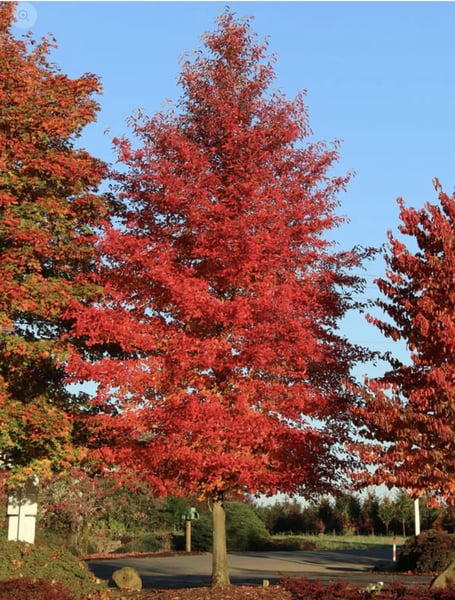
One common landscape strategy is to include variety so you get flowers, or in this case, fall foliage, at different times, prolonging the season. The afterburner is exactly that and known for its late-season intensity. After most other trees have faded and even dropped their leaves, the Afterburner holds on to its foliage longer, offering deep, vivid reds that extend the fall color season.
While the black gum tree is known largely for its fall color, it also shines in spring, with new growth emerging in striking shades of red. For property managers or homeowners looking to start the season with early color, the wildfire black tupelo can help add visual appeal.
If you’re looking for a little more versatility, Green Gable is highly adaptable and performs well in a variety of conditions. It also has a strong branching structure, making it great for both urban landscapes and large-scale plantings.
With Black Gum offering quite a few cultivars, we’ll highlight the core characteristics that typically drive the decision to choose Nyssa sylvatica. While specific varieties like Tupelo Tower or Wildfire may vary in form or the timing of their seasonal changes, the following traits are applicable to most varieties of Black Gum trees:
Growth Habit & Size – These are medium sized shade trees, typically growing to 30–50 feet with a 20–30-foot canopy spread. While many of them start with a pyramidal form, as they mature, their canopies become more rounded. They’re valuable as both a specimen or a shade tree.
Growth Rate – These are not fast growers. What you might sacrifice in fast growth, the slower to moderate pace rewards you with reliability, durability, and longevity.
Light Requirements – If you’re looking for the best canopy development and fall color, then give them full sun. That said, they can tolerate partial shade in mixed plantings and landscapes.
Soil Preferences – These are adaptable trees that can tolerate both wet and drought conditions once established, though they prefer moist, well-drained soils. They can also be forgiving in urban conditions, though they prefer slightly acidic soils.
Water Needs –Consistent watering is important, especially during establishment, but once mature, they’re relatively resilient and can handle both dry and wet conditions better than many shade trees.
Structure & Form –Black Gums develop durable, well-spaced limbs. In fact, they’re known for their strong branching structure and a clear central leader. When it comes to withstanding harsher climate and weather conditions, including wind, storms, and snow loads, this structure is resilient and storm-resistant. As a result, there’s less limb failure and lower long-term maintenance.
Foliage & Seasonal Interest – Their glossy, dark green leaves provide a polished, clean look. But, in the fall, they really deliver. Their color displays are dynamic, often depending on the variety, but sometimes offering yellow, orange, and deep red all on the same tree.
Flowers & Fruit – While not known for their flowers or their fruit, at least in ways that attract humans, they do have wildlife and pollinator value. In the spring, wide varieties have small, greenish-white flowers. They’re not showy, but they do attract pollinators and, later in the season, small fruit attracts birds and other small wildlife.
Landscape Use – Versatility is the theme here, especially when we consider cultivars. They’re equally Ideal as a specimen tree, shade tree, or part of a broader canopy plan. Similarly, they fit in residential landscapes, parks, or urban plantings. Anywhere you need long-term performance and structure, reliability, and consistency, they fit the bill.
Maintenance Needs – Once established, they’re low-maintenance, requiring minimal pruning. Additionally, their form and strong branches mean that even in storm season, maintenance is lower than with some other shade trees.
Notable Strengths – When we talk about the black gum or black tupelo, we’re undoubtedly talking about exceptional fall color, structural integrity, adaptability, and strong ecological value.
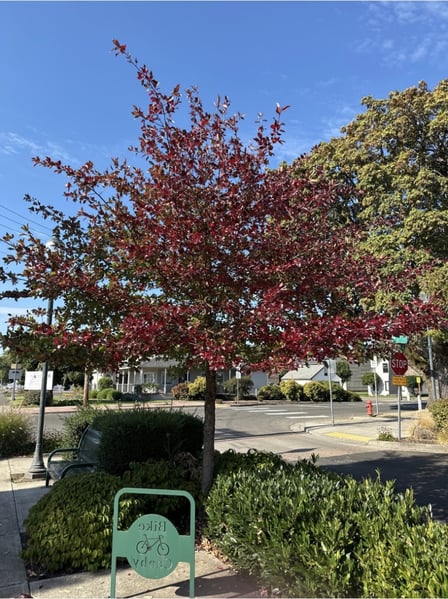
Whether you’re a property manager, urban forester, or homeowner, you have one thing in common when it comes to tree selection, and that’s finding something that offers both beauty and durability. Black gum trees have both, making them ideal for urban and managed landscapes where conditions are sometimes variable
Adaptability Across Site Conditions – One of the biggest advantages of Black Gum Trees is their ability to handle a wide range of environments. From wet soils to moderately dry conditions, they adapt well once established. For urban settings where soil moisture can be inconsistent, this is an essential trait.
Design Versatility – With both the straight species and a range of cultivars available, there’s a Black Gum to fit your space. While the Tupelo Tower is upright and works in tighter corridors, other varieties offer broader forms that provide shade in parks, HOAs, and other managed landscapes.
Strong Structural Integrity – If you’re looking for a safer and more reliable tree in regions where snow, wind, or storms can damage trees and require maintenance and clean-up, then these are a great option. Their branching structure and strong central leader reduce the risk of limb failure.
Storm Resilience – Black Gum Trees tend to hold up well in adverse weather compared to many other shade trees. Their branch attachments and overall form contribute to better wind resistance and long-term durability.
Low Maintenance Needs – Once established, they require minimal intervention. Their natural form reduces the need for frequent pruning, and they generally experience fewer structural issues over time—saving on maintenance costs.
Tolerance to Urban Stressors – Urban environments are challenging, and not every tree can thrive under them. However, Black Gums are resilient, especially in the face of challenges like compacted soils, inconsistent watering, and heat islands. While no tree is immune, they often perform more consistently than many alternatives.
Resilient landscapes are not built on monocultures, and variety shows up in function and form, as well as in visual appeal, wildlife value, and more. This is where Black Gum trees really shine and why they can help support a broader, more diverse canopy strategy.
Longevity to Support a Landscape – Black Gum Trees are recognized for their long lifespan and for moderate, steady, dependable growth. Once established, they are anchor trees that provide consistent structure, shade, and presence
A Strong Canopy Contributor – Urban forests and canopies are often defined by how they provide shade and provide visual balance across a variety of urban settings. From streetscapes and parks to HOAs and managed landscapes, they can help create a “finished” look while continuing to perform well year after year.
Works Alongside Other Species – Canopy diversity is essential, so you want trees that do well with a variety of other trees and complement one another. Black Gums mix well with a wide range of trees. Their form, seasonal interest, and growth rate make them easy to incorporate into layered planting designs, whether it’s filling gaps or anchoring landscapes.
A Smarter Long-Term Investment – For municipalities, property managers, and homeowners, incorporating Black Gum trees into a planting plan can help create a balanced and resilient landscape. Reliability, durability, and longevity are key, and the Black Tupelow is better equipped to handle environmental stress, pests, and changing conditions over time than many other trees.
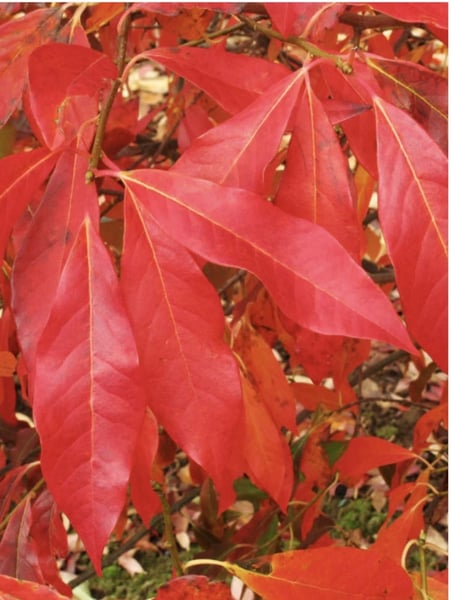 Fall Foliage Stunner: The Beauty of the Black Gum Tree
If there’s one trait that helps Black Gum Trees stand out, it’s their fall color. Few shade trees deliver the same color range or intensity. In the same tree, you’ll often see varying shades of yellow, orange, and deep crimson all at once. It’s visually striking, with an almost layered look that shifts as the season progresses.
When looking at an urban canopy or managed landscape, extending seasonal impact is often highly desirable. You may look for plantings or trees that flower throughout the spring rather than all at once, and, when it comes to black gum trees, many cultivars extend their visual impact into the fall. The Afterburner holds its color later into the season, while others transition earlier or add contrast. Whether planted as a single standout specimen or used throughout a landscape, Black Gums create an impact when it matters most.
The Black Gum truly combines beauty and reliability, which makes it a valuable addition to both residential landscapes and larger urban forestry plans.
If you’re considering Black Gum Trees for your next project, whether residential, urban forest, or managed landscape, our team can help you select the right species or cultivar for your space and conditions. Starting with the right tree in the right place is what brings success.
We can help you with every aspect of your project, from sourcing high-quality trees to planting and long-term care. Reach out to our team today and let’s get planting!