tree health
Tree Care

It might feel like trees are pretty easy to manage. They have a funny way of staying quiet when you’re busy and getting loud when your schedule (and budget) is already maxed out. Through winter, most tree problems stay subtle. A crack hidden by snow load. Drought stress building slowly in the roots. A weak limb that hasn’t failed yet.
Then spring hits. Trees leaf out, growth accelerates, winds pick up, and suddenly what looked “fine” in February becomes a phone call in April (or sooner).
That’s why late winter is one of the smartest times for tree maintenance. It’s the window where you can spot problems early, make clean corrections, and help trees head into spring healthier, safer, and far less likely to surprise you.
Quick Links:
Property managers are often trained to prioritize what’s urgent and visible: complaints, snow removal, irrigation issues, budgets, and vendor schedules. Tree maintenance is often pushed down the list because trees appear dormant and stable in winter.
But spring is when everything shows up at once.
A tree that doesn’t leaf out.
A limb that cracked under the snow load.
A canopy that looks thin or uneven.
Roots lifting sidewalks.
Deadwood suddenly stands out against new growth.
By the time any of those symptoms appear, the tree has often been stressed for months, in some cases, years. Spring doesn’t cause the problem. It reveals it.
Tree maintenance before spring is about catching problems early, when solutions are simpler, safer, and, typically, far less expensive.
It’s the difference between:
For HOAs and managed landscapes, proactive tree care isn’t just healthier for trees; it’s easier on budgets, schedules, and liability.
What tree maintenance tasks should you consider before spring or in early spring?
 Late Winter Tree Pruning: A Tree Maintenance Priority
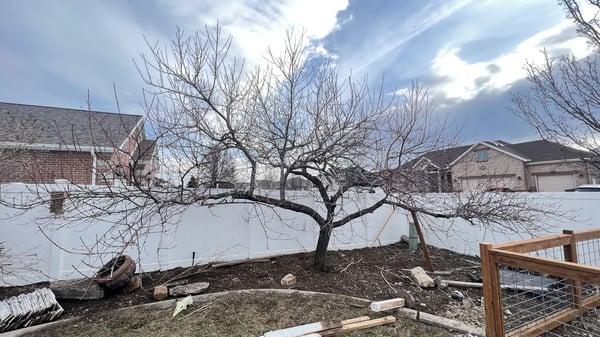
Late winter is one of the best times to schedule tree pruning, especially if you want healthier trees and fewer spring surprises.
Pruning before spring growth helps trees use stored energy efficiently. Instead of sending resources into weak, crowded, or damaged branches, a properly pruned tree can focus on producing strong structure, healthy leaf growth, and balanced canopy development as the season begins.
Late winter pruning also makes it easier to see the tree’s structure clearly. Without leaves in the way, a certified arborist can identify issues such as crossing branches, deadwood, poor spacing, and potential weaknesses that can become hazards when spring winds and storms arrive.
Not all trees follow the same pruning schedule.
Waiting until spring may be the biggest pruning mistake property managers can make. Waiting too long often means pruning after growth has started, making it harder on the tree and easier to miss structural issues that should have been corrected earlier.
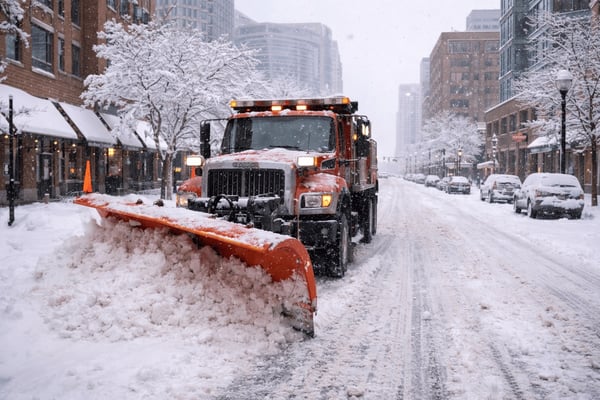 Tree Maintenance and Inspection for Winter Damage
Late winter is also a great time to inspect trees for damage. Not only does it save the tree, but it also allows you to allocate the resource you’ll need to address concerns, like budget, staff, or even hiring a tree services company.
In regions with severe winter weather, issues may be more significant than broken branches. Snow load, freeze-thaw cycles, wind, and ice can weaken structures, expose or worsen existing defects.
Winter alone can create significant stress that has a long-lasting impact on a tree’s health and longevity. Proactive inspections can help identify potential hazards before spring storms and heavy growth add weight and risk.
Many people think tree maintenance means pruning. But some of the most costly problems start below ground.
Winter is an ideal time to prevent root-zone issues that directly impact spring growth, including:
These issues don’t look dramatic in the moment, but their outcomes can be far worse. A seasonal inspection (especially with a certified arborist) helps catch problems early, while solutions are still simple and cost-effective.
One of the most overlooked parts of tree maintenance is also one of the simplest: winter watering.
People assume trees don’t need water in winter because they’re dormant. But dormancy doesn’t mean a tree shuts off completely. Trees still lose moisture through bark and evergreen needles, and roots can remain active whenever soil temperatures allow.
In dry climates such as Colorado, Utah, and much of the interior West, winter often brings long stretches of little to no rain. When you add wind and sun, which both pull moisture from soil and trees, you have the recipe for drought stress and desiccation.
Because it happens largely below ground, you won’t see the impact until spring, when weak growth, browning evergreens, branch dieback, and increased susceptibility to pests and tree diseases become larger problems.
As with many things, better late than never. Later winter in the West is sometimes quite dry, and a dry late winter is one of the most critical times to water. If the ground isn’t frozen and daytime temperatures are above freezing, it’s a good opportunity to get moisture back into the root zone before spring growth begins.
This is, plain and simple, preventive maintenance; it’s one of the easiest ways to protect tree health before spring demands peak energy from the canopy.
Root health isn’t all about watering, though. If there’s one part of tree maintenance that property managers consistently underestimate, it’s the root zone.
Branches get attention because they’re visible. But soil health and root conditions determine how well a tree handles spring growth, summer heat, and long-term stress. And late winter is an ideal time to make corrections before trees shift into high-demand mode.
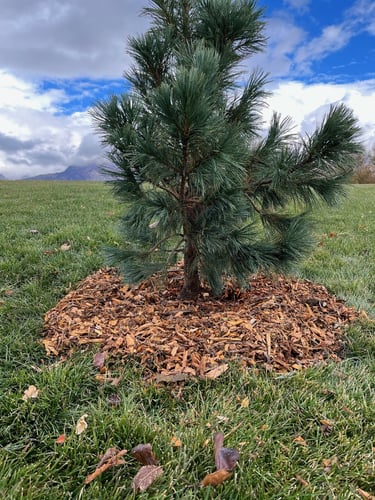
Proper mulching is one of the simplest ways to protect tree roots and improve overall tree health. A good mulch ring helps:
The key is placement. Mulch should be spread in a wide, even ring and never piled against the trunk. “Mulch volcanoes” trap moisture against the bark and can lead to decay, pest infestations, and girdling roots over time.
Let’s be honest, managed landscapes take a beating in winter. They’re often heavily trafficked, which means a lot of winter stressors: snowplows, maintenance vehicles, pedestrian traffic, and freeze-thaw cycles. All of these contribute to soil compaction, especially near sidewalks, streets, and parking areas.
Compacted soil reduces oxygen in the root zone, limits water infiltration, and weakens root development. The tree may look fine for a while, but spring growth often becomes thinner, slower, and less resilient.
Late winter is a smart time to identify high-risk root conditions before they become expensive problems in spring and summer, including:
Root problems can be difficult to diagnose, so when you’re doing a late winter tree inspection, it may be a good idea to call in a local tree service company whose certified arborists can help you spot problems and develop solutions. Root-zone care is one of the most cost-effective forms of preventive tree maintenance because it supports the entire tree for the rest of the year.
 When to Call a Tree Service (and What We Can Do Fast)
For many HOAs and managed landscapes, tree care gets delayed until something becomes urgent: a broken limb, a homeowner complaint, or a tree that suddenly looks “off.”
The problem is that by the time an issue is obvious, it’s often more expensive and harder to correct for the tree.
Calling a professional tree service in late winter allows you to handle problems early, while trees are still dormant and before spring growth adds stress to the canopy.
Tree care isn’t one-size-fits-all. Colorado, Utah, and the broader Western U.S. come with unique challenges like winter drought, wind exposure, compacted soils, salt damage, and temperature swings.
A local team understands:
And, teams with certified arborists means you get folks trained to evaluate tree structure, risk, and long-term health, not just “trim it back.” That expertise helps reduce liability, prevent tree removals, and protect the value of your landscape.
Late winter is ideal for:
A proactive visit now can prevent expensive surprises once spring hits.
The trees might get a dormant season, but when it comes to tree care and maintenance, there really isn’t one for property managers and foresters. As spring approaches, tree issues don’t get simpler; they get louder.
Small problems become visible problems, and visible problems become urgent ones. The good news is that late winter is still the perfect window to get ahead of it with proactive tree maintenance.
If you manage trees in Utah or Colorado and want to head into spring with fewer surprises, our team is here to help. Contact us to schedule professional tree services with certified arborists who understand your regional landscape.